Direct answer: Keep turf neat and resilient through defined mowing, edging and seasonal care matched to the property's actual condition.
What lawn maintenance should accomplish
Routine cutting cannot correct deep shade, compacted soil, poor drainage or insufficient watering. A clear maintenance scope should separate recurring visits from optional treatments and corrective work.
A useful quote separates the visible finish from the preparation, access and connected restoration required to support it. That makes comparisons clearer and reduces the chance that an attractive surface is installed over an unresolved property condition.
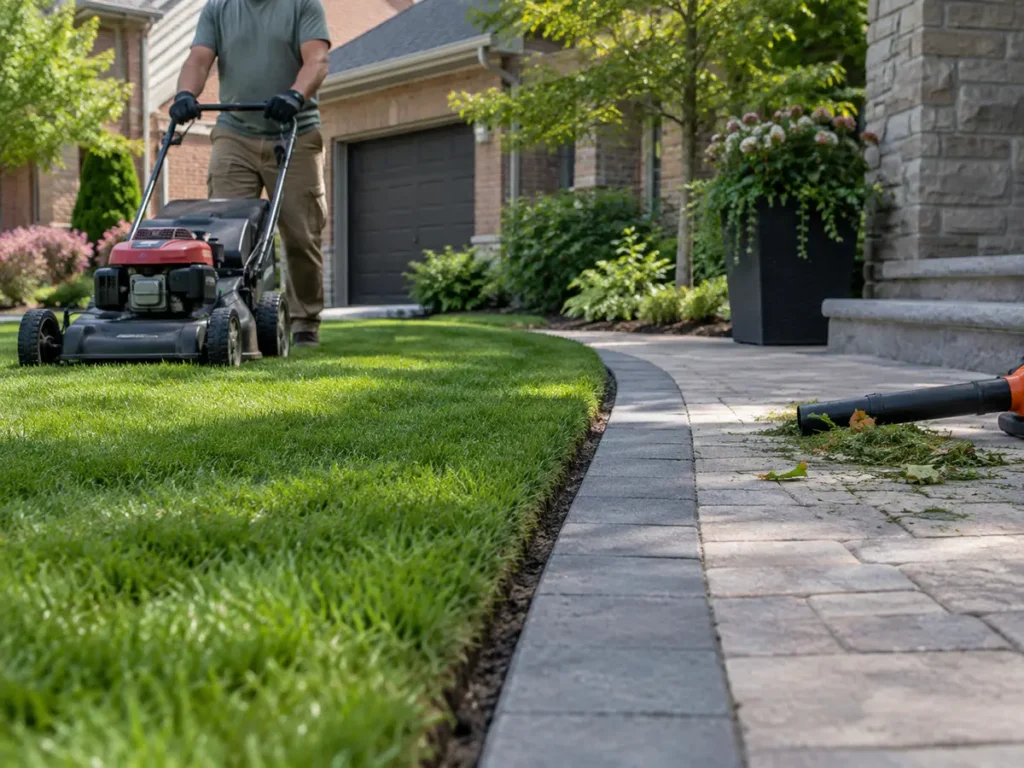
What a complete scope can include
The final scope depends on the property, but the following items belong in the conversation before work begins:
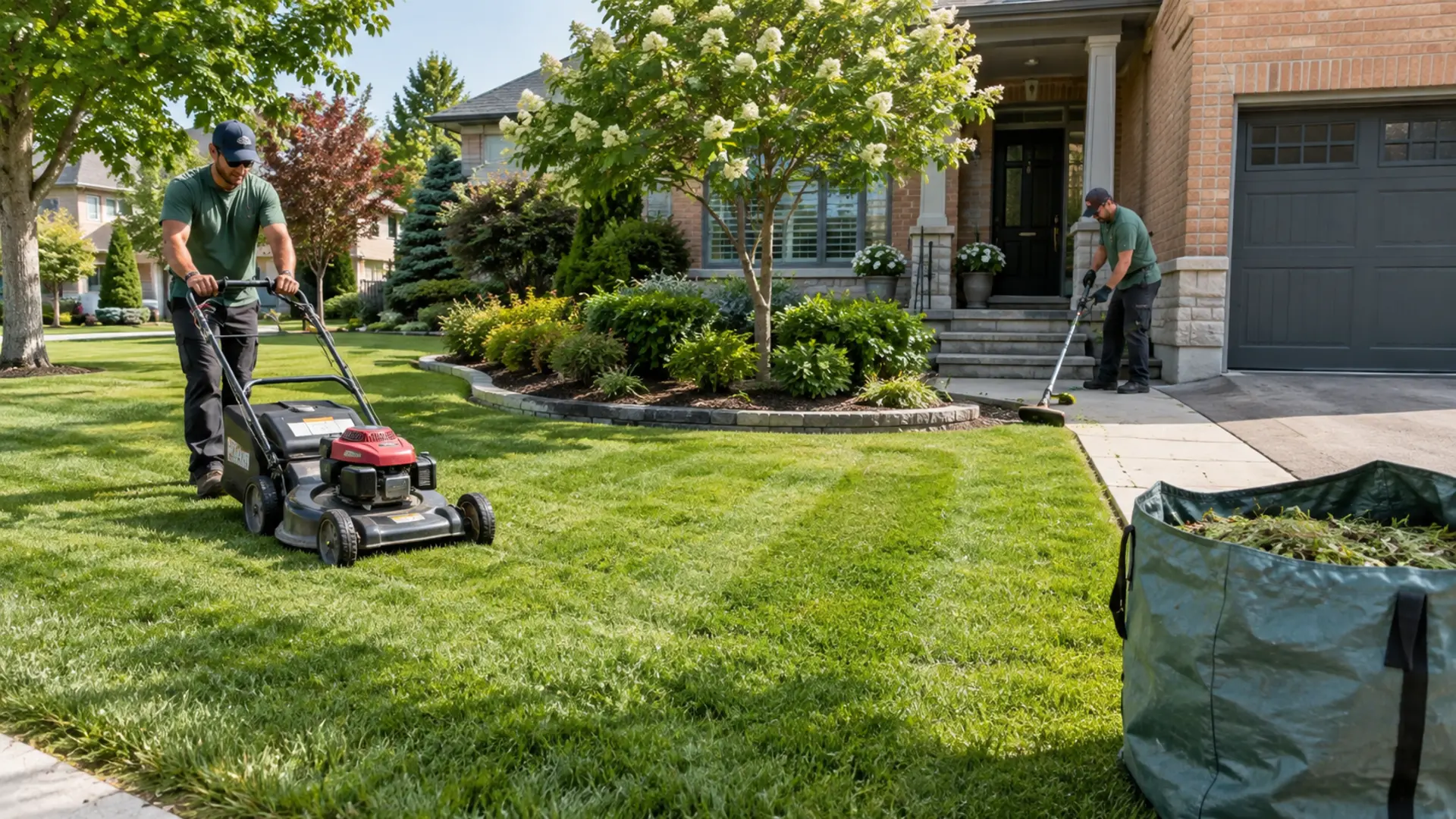
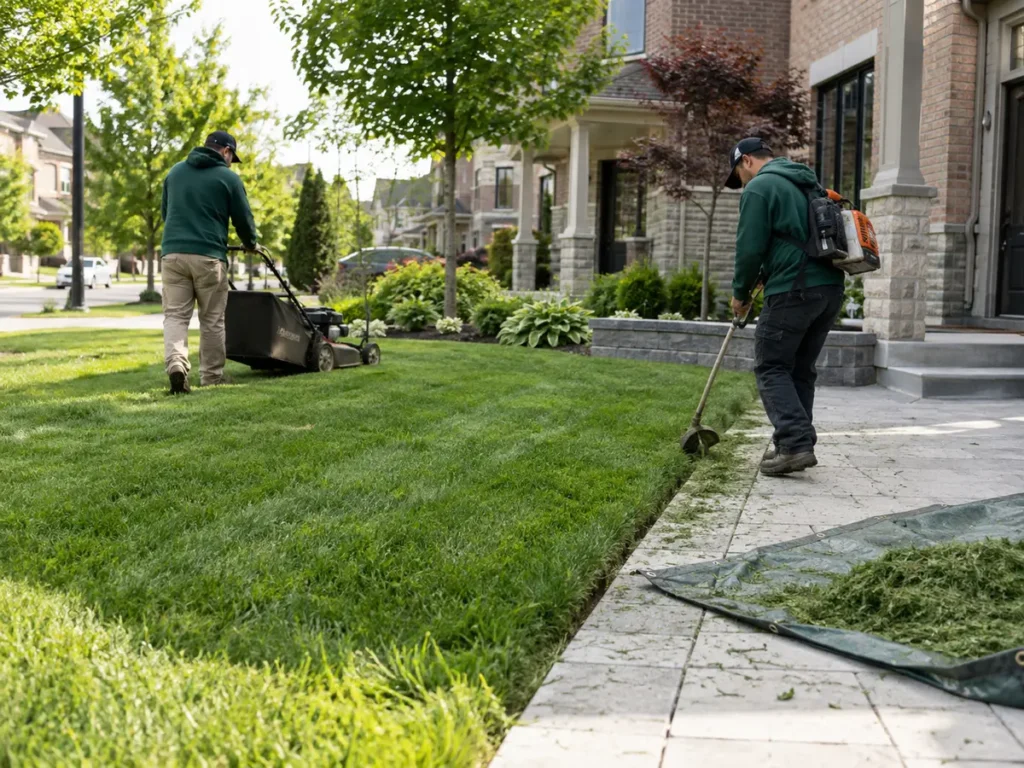
- Mowing and edge definition
- Clipping and debris handling
- Seasonal turf assessment
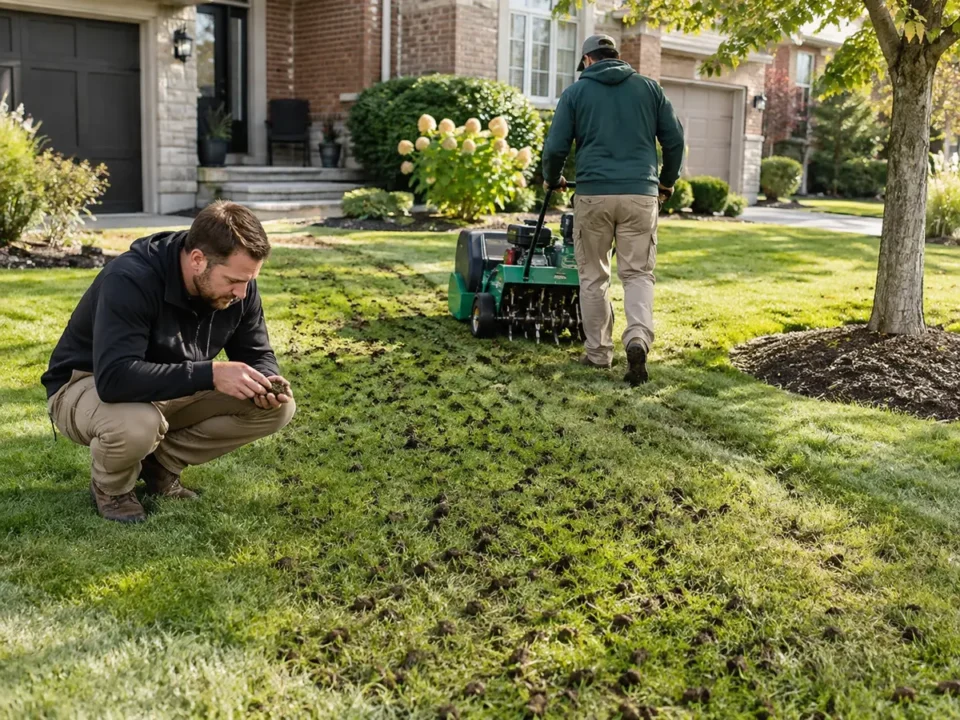
- Aeration and overseeding options
- Fertilization or treatment coordination
- Weather and access expectations
Items outside the confirmed scope should be identified just as clearly. That distinction is especially important when several services meet at one edge, elevation or utility route.
Decisions that shape the project
Good decisions come from the site rather than a preset package. These factors change materials, sequence, labour, approvals and the amount of restoration required:
- Visit frequency and growth rate
- Shade and soil limitations
- Watering responsibilities
- Pets, gates and obstacles
- How additional work is authorized
How to compare practical options
Compare lawn and planting options by light, soil, moisture, roots, traffic and establishment needs. A plant list or turf product cannot overcome a site that does not supply the growing conditions it requires.
Ask how each option changes preparation, installation sequence, future repair and ongoing care. The most suitable choice is the one that performs the required job on this property—not automatically the most expensive material or the product used at a different home.
Plan connected work in the right order
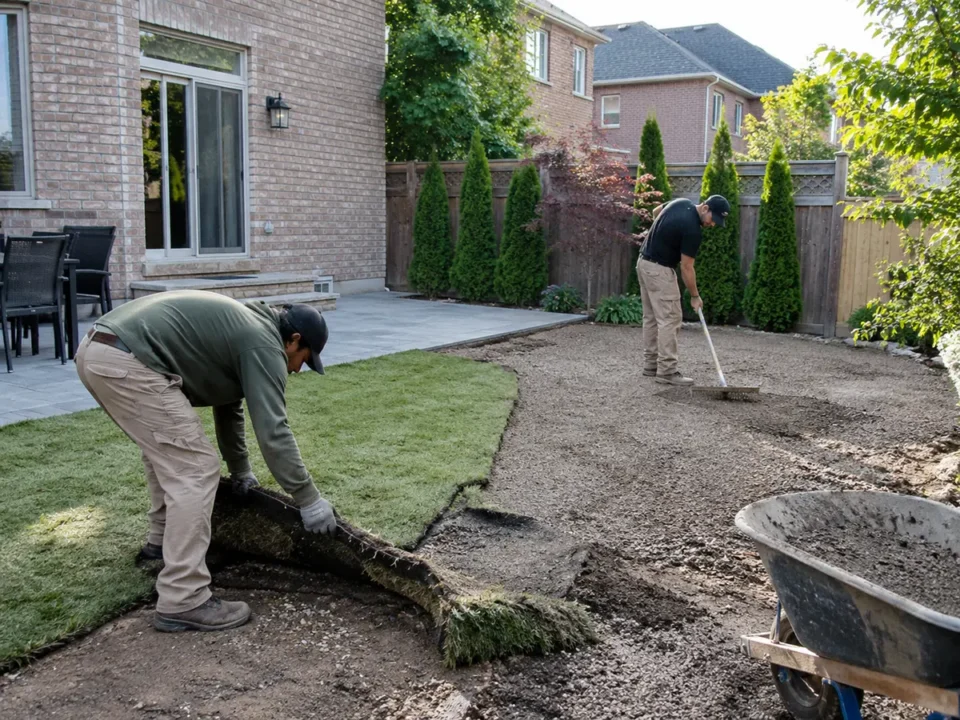
Healthy lawns and gardens depend on what is happening below and around them. Soil depth, compaction, drainage, shade, watering and traffic should be understood before the finish is replaced.
The usual planning order is to confirm access and removals, locate utilities, establish grades and drainage, complete structural or underground work, install hard surfaces, prepare soil, and finish with planting or lawn restoration. The exact order changes with the project, but completed finishes should not be disturbed to reach work that should have happened first.
Mississauga property considerations
Mississauga lawns move through wet spring growth, summer stress, leaf fall and winter dormancy. Frequency and treatments should follow conditions rather than an inflexible promise.
Requirements can change and different approvals may apply to the same property. Confirm the current rule with the responsible authority before construction rather than relying on a general page as project approval.
Related landscaping services
Lawn Maintenance often connects to other work in the lawns, gardens & water group. Review the pages below when the project crosses surfaces, grades, planting or seasonal care.
Prepare for a clearer estimate
Photograph the full work area, important transitions and the access route from the street. Include approximate measurements, property type, desired timing and anything known about utilities, drainage, boundaries, surveys or approvals.
- Identify the result that matters most
- Separate existing damage from desired upgrades
- Point out fixed elevations, doors, gates and structures
- List connected work being considered now or later
- Ask the quote to state preparation, restoration and exclusions
Clear information does not replace an on-site review where one is required, but it helps distinguish a straightforward request from a property condition that needs additional investigation.
Questions property owners commonly ask
Will regular mowing repair a thin lawn?
Mowing supports appearance, but thin turf may require soil, light, water, compaction, pest or drainage issues to be addressed before density improves.
What should be checked before planning lawn maintenance?
Start with existing conditions, access, grades, utilities, boundaries and any connected work. Materials and appearance should follow those practical checks rather than hide them.
Can this work be coordinated with other landscaping?
Yes. Connected work is often more efficient when drainage, elevations, underground services and structural elements are resolved before lawns, planting and finished surfaces.
What information helps with an estimate?
Provide the property address, photos, the condition you want to change, approximate area, desired timing, access limitations and any known survey, permit or utility information.