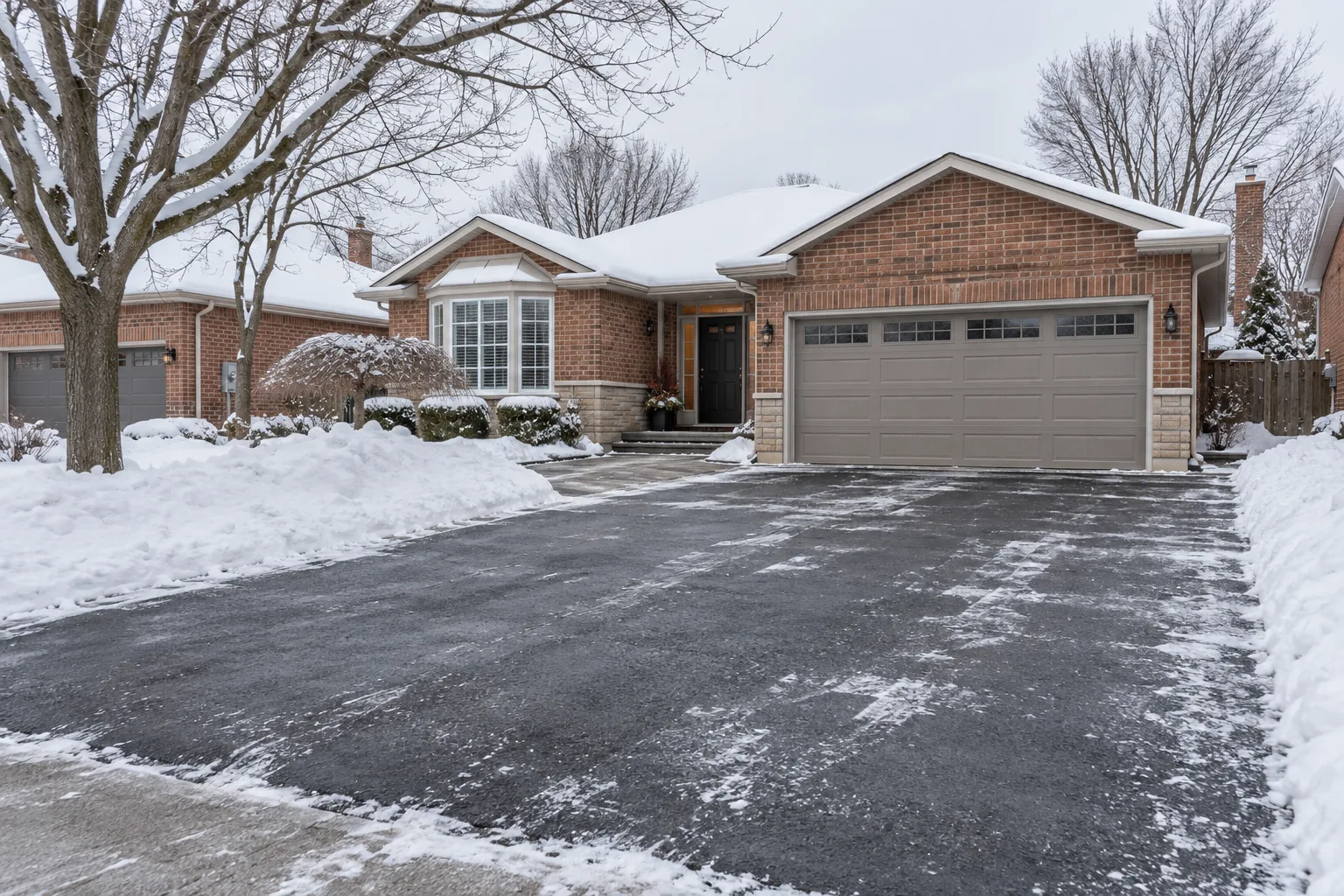
Direct answer: Residential snow removal clears the private driveway, entrance, steps and walkways agreed for your home. Mississauga’s municipal sidewalk and eligible driveway-windrow services do not clear the entire private property. A useful residential agreement identifies the areas, access conditions, snow-storage locations and return-visit terms before work begins.
Winter access for the way your household uses the property
The practical goal is a connected route: from the street to a parking space, from the garage to the driveway, and from the driveway to the door. Clearing one area is less useful if a compacted ridge, buried step or blocked gate still interrupts that route. Identify the entrances used by family members, visitors and deliveries rather than assuming every door needs the same attention.
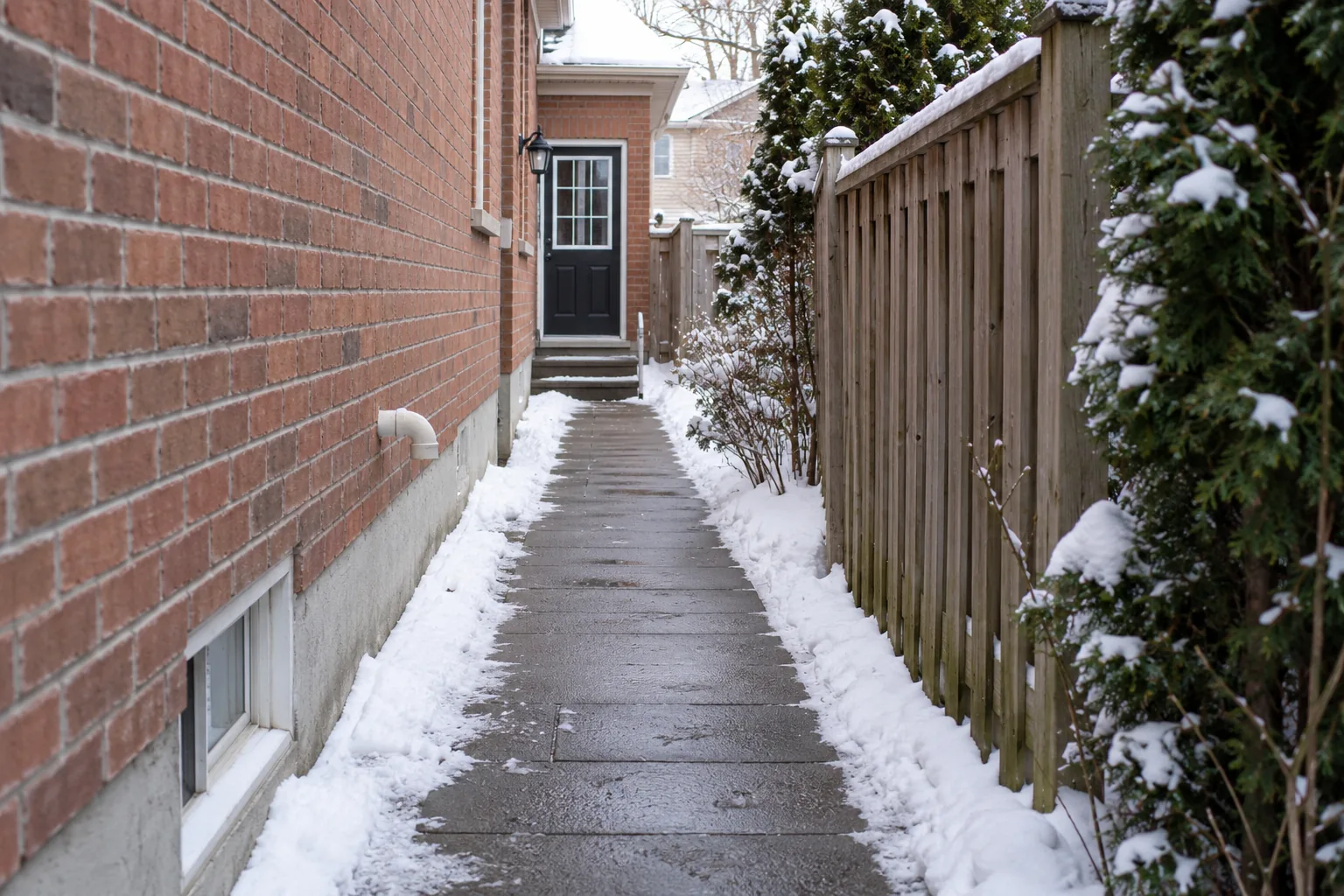
Residential requests can concern a single-car driveway, a double driveway, a shared entrance or a narrow private path. Tell us which routes matter most and whether steps, a porch, a side entrance or additional access should be considered. Inclusion depends on the accepted scope, property access and service availability.
Choose the private areas that need clearing
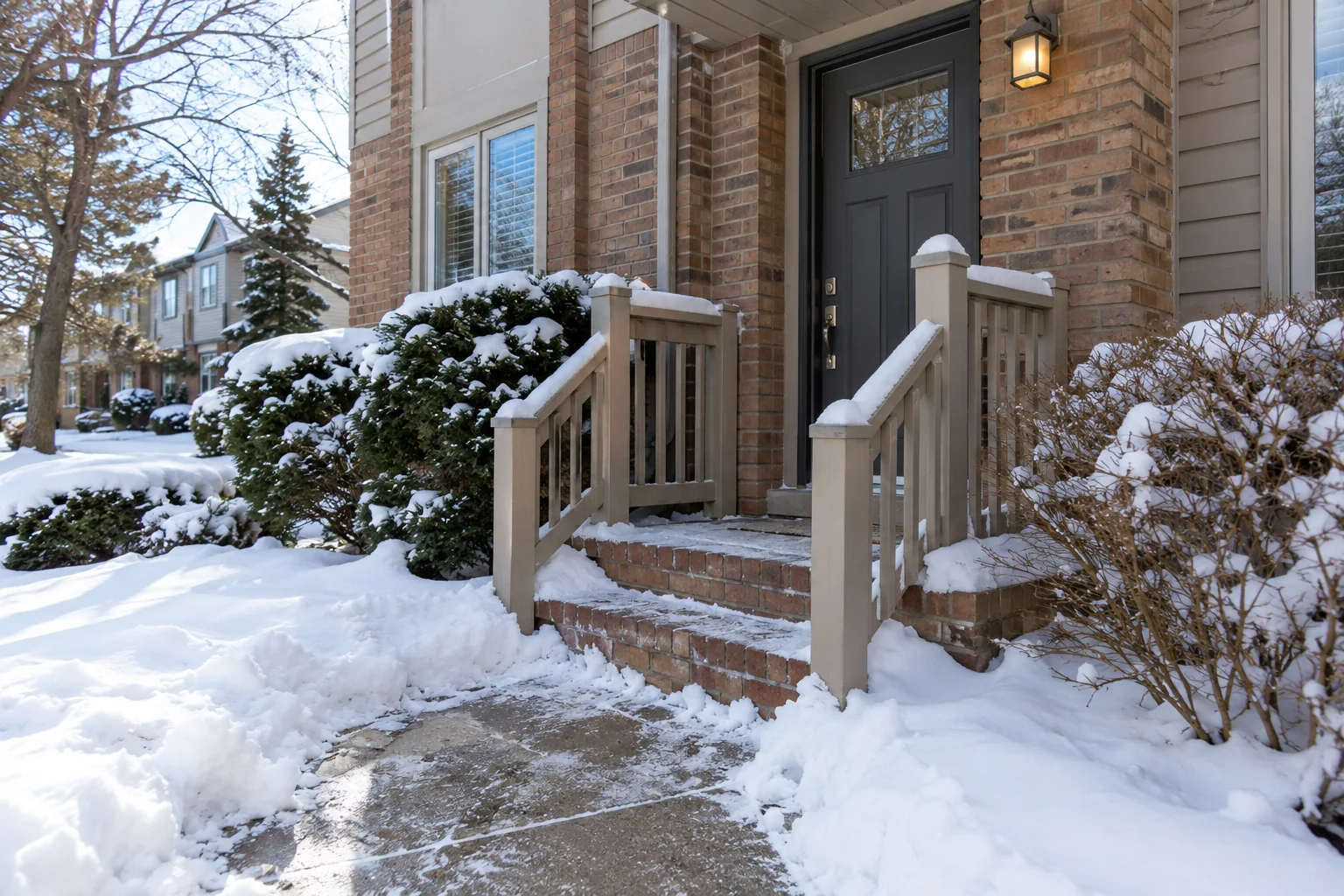
Make an area list or mark a photograph before snow hides the edges. Describe the driveway width and length, garage-door opening, private front walk, steps, porch landing and any side walkway. Include a secondary entrance only if it is required. Distinguish a private walkway from the public sidewalk, which the City currently includes in its snow service.
The agreement should name the included areas and exclusions. A backyard path, gate, shared surface or route to an outbuilding is not automatically part of driveway clearing. If a condominium, townhouse or private-road property is involved, confirm who controls the area and can authorize work.
Driveways, garages and parked vehicles
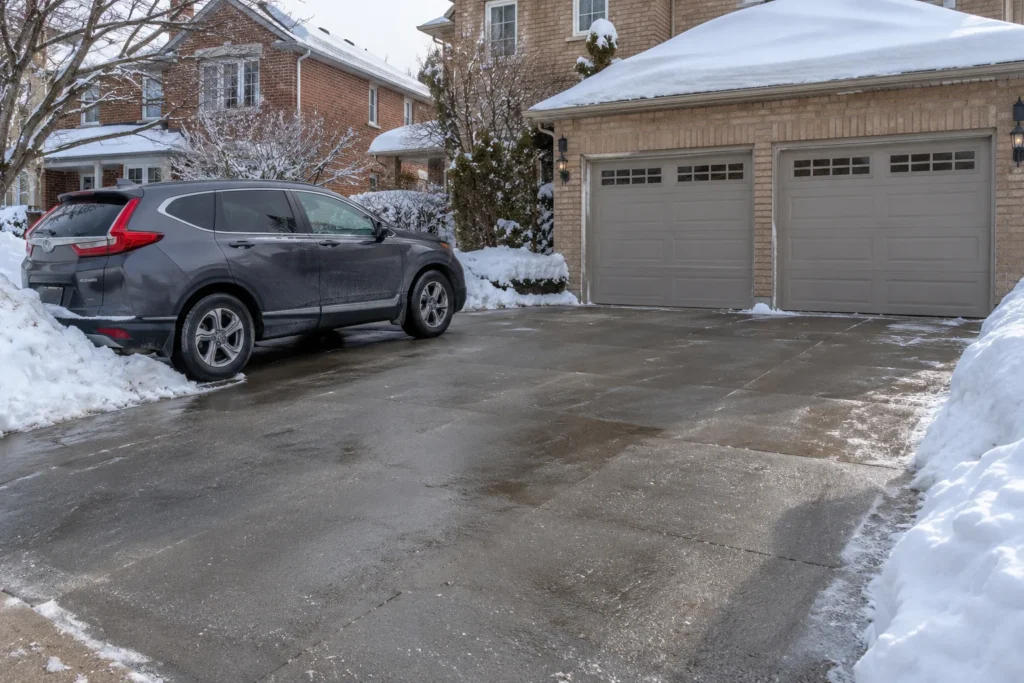
Parked vehicles change how much of a driveway can be reached. Discuss whether vehicles can be moved, where they will be parked during service and what happens to the space beneath a car. Work should not be assumed to include moving vehicles or reaching between objects where safe clearance is unavailable.
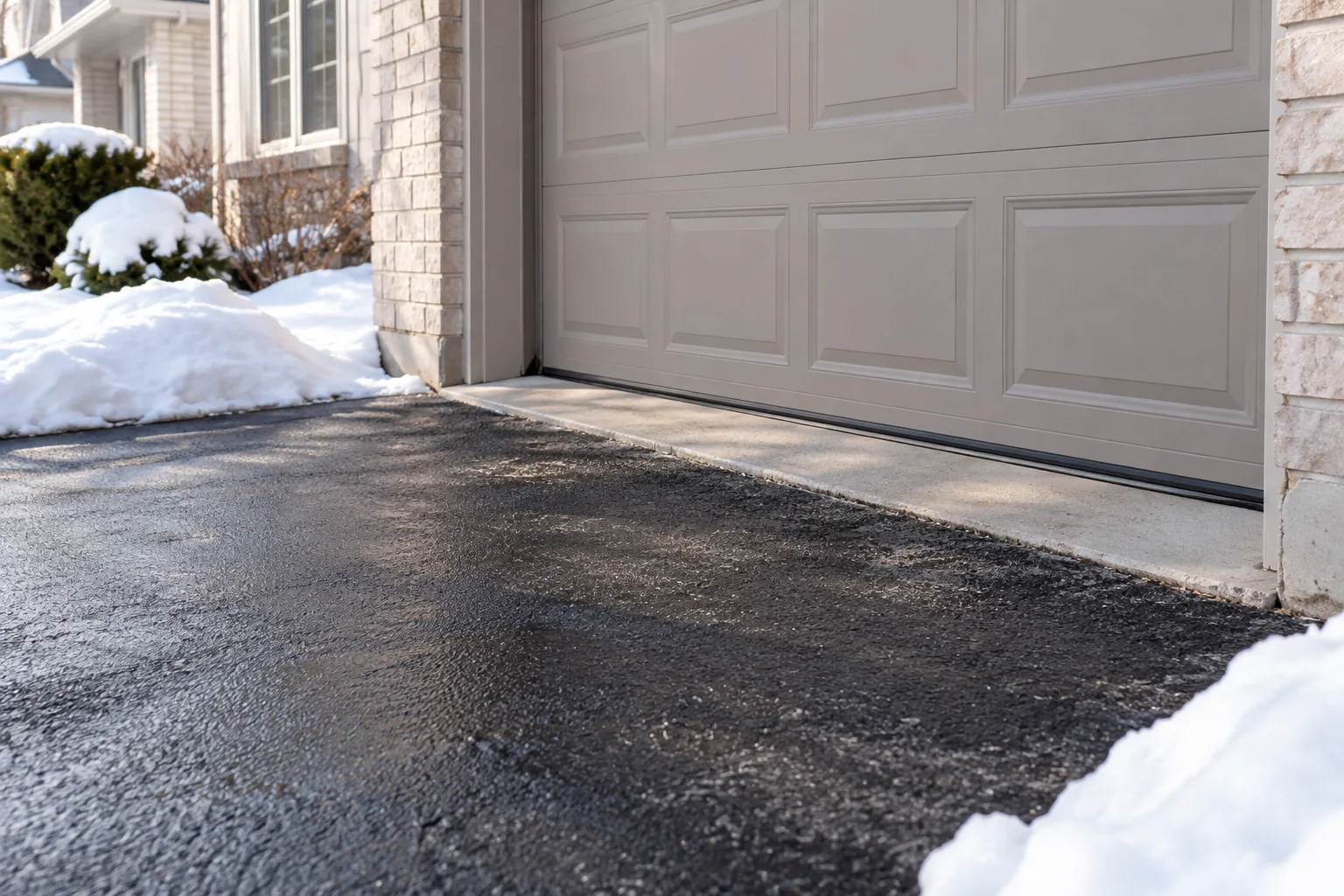
Garage access needs its own attention: the door threshold, surface changes and space for opening a vehicle door can matter as much as the main driveway. On shared driveways, agree on the boundary, each household’s access and snow placement. Do not assume a neighbour has approved storage or clearing on their property.
Private walkways, porch steps and entrances
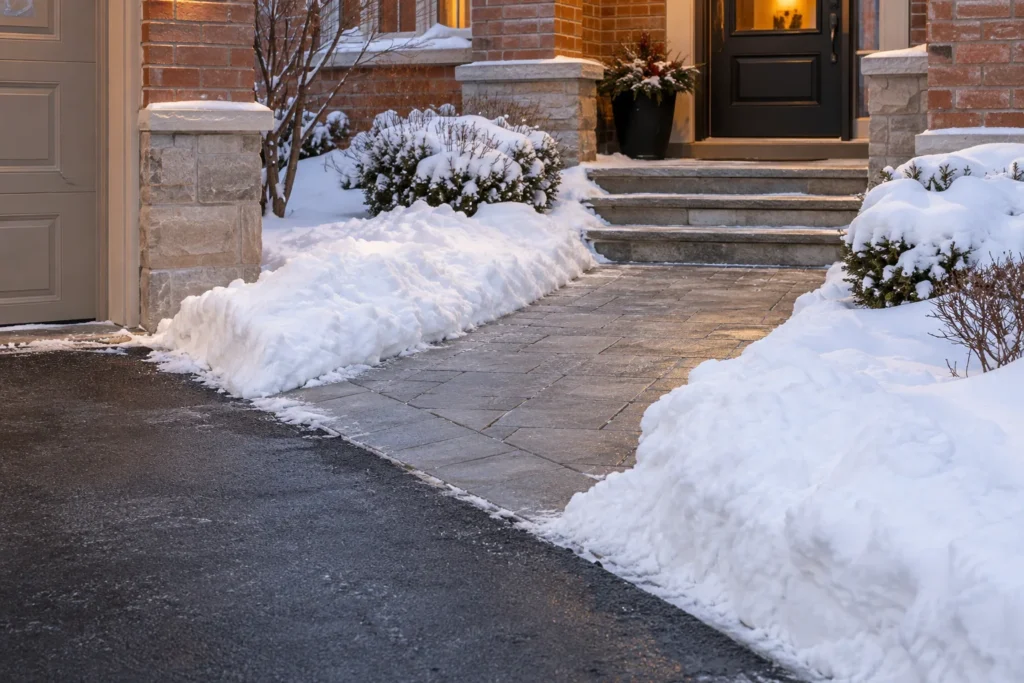
Connecting walks, step edges, handrails and landings should be identified separately from vehicle areas. Narrow access and changes in surface material can affect the proposed work. A front porch or side path can be included where agreed; neither is automatically covered by a driveway-only arrangement.
Packed snow and refreeze may remain after loose snow is removed. Clearing does not guarantee bare pavement or continuous slip-free conditions. If treatment of steps or entrance walks is important, ask whether residential ice management is available and define its areas and repeat-treatment terms separately.
How Mississauga’s driveway windrow service fits
A windrow is the ridge left across a driveway entrance by road plowing. The City’s current program clears part of eligible single, double and shared residential driveway windrows after the final road-plowing pass. The stated opening is at least three metres wide; it is not full-driveway clearing. The City does not salt that opening or promise bare pavement.
Condominiums, commercial properties and homes on private roads are excluded from that residential windrow program. Timing depends on the City’s service conditions and road-clearing work. Review Mississauga’s current snow-clearing and driveway-windrow guidance for eligibility and updates.
Private service can address the remaining driveway, garage access and agreed entrance routes. Ask how a private visit interacts with municipal work, including a later plowing pass or additional accumulation. Do not assume either provider’s timing can be coordinated precisely with the other.
Snow storage should work beyond the first storm
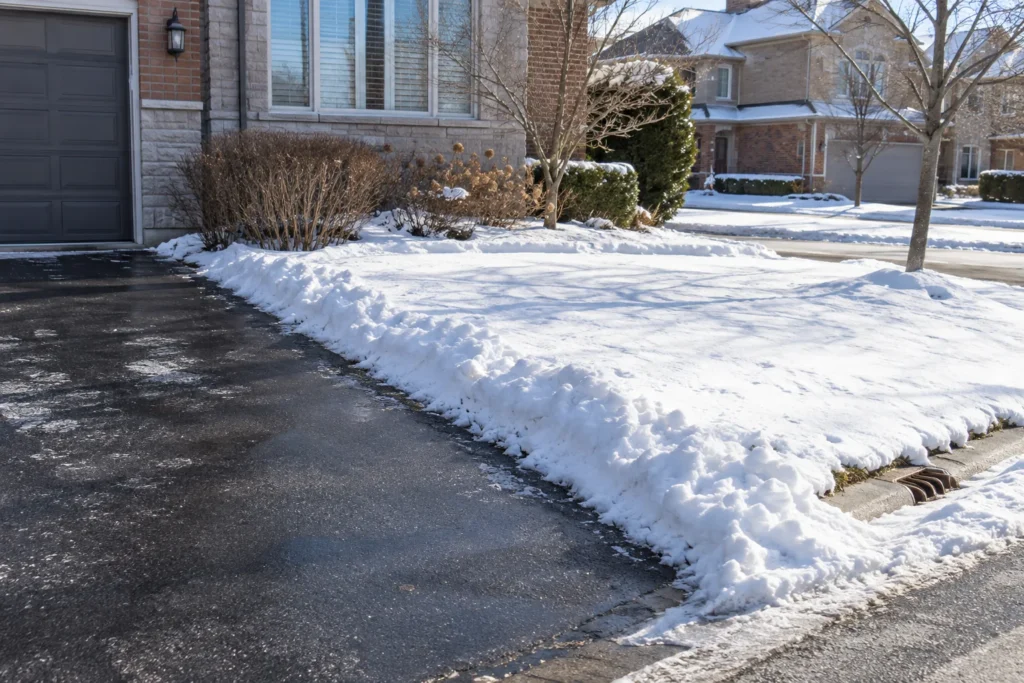
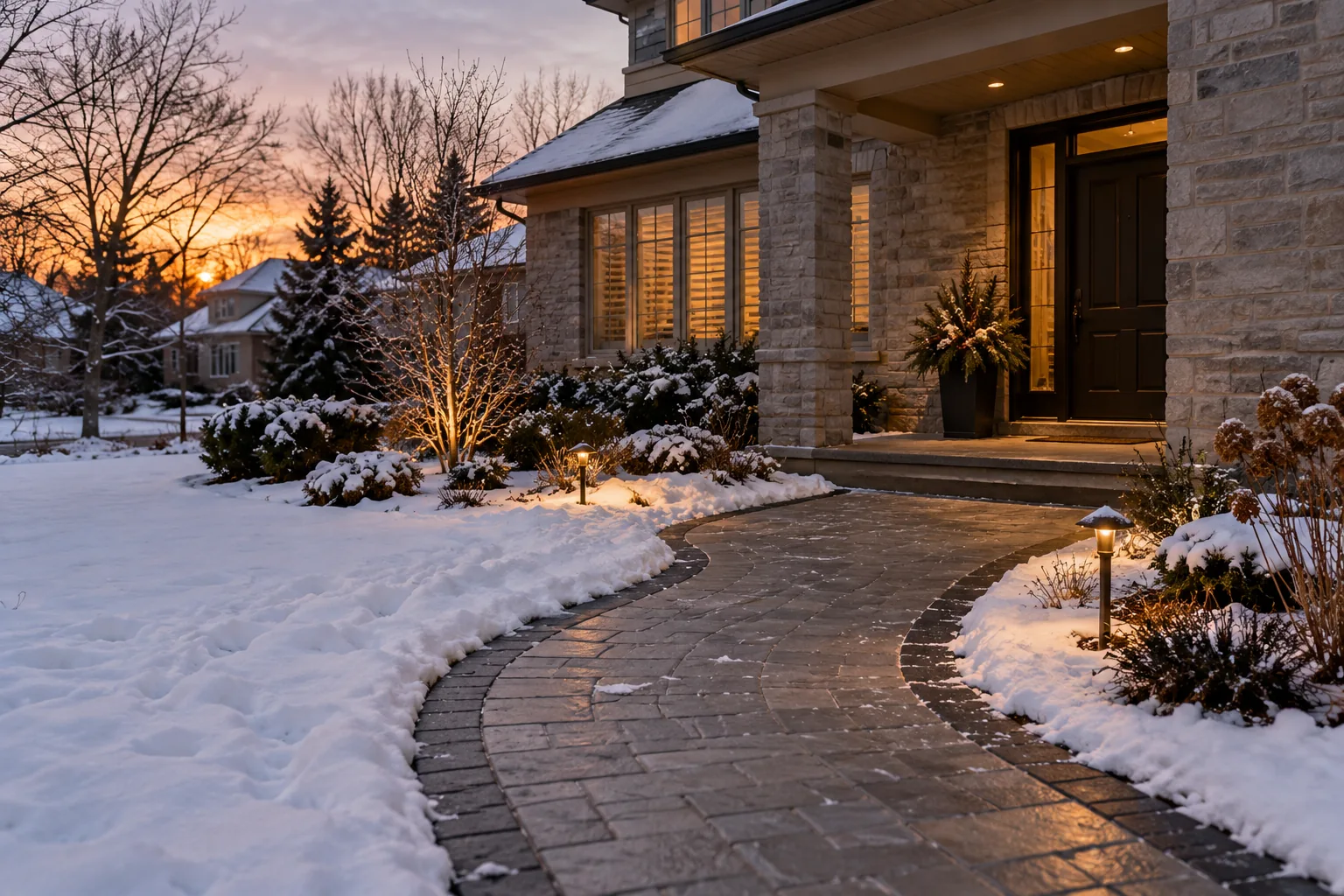
Identify suitable areas within the property before winter. Protect neighbouring driveways, doorways, sightlines and the routes needed to reach the house. Keep piles away from fragile planting and avoid placing snow where meltwater will flow back across a cleared entrance. Drains and known drainage paths need attention even when they are hidden by snow.
Repeated accumulation can reduce storage space and narrow access. Relocation, hauling or work outside the agreed area must be discussed separately, where available. Snow should not be pushed onto the roadway. A convenient first pile is not necessarily a suitable location for the whole season.
Drifting, compacted snow and refreeze
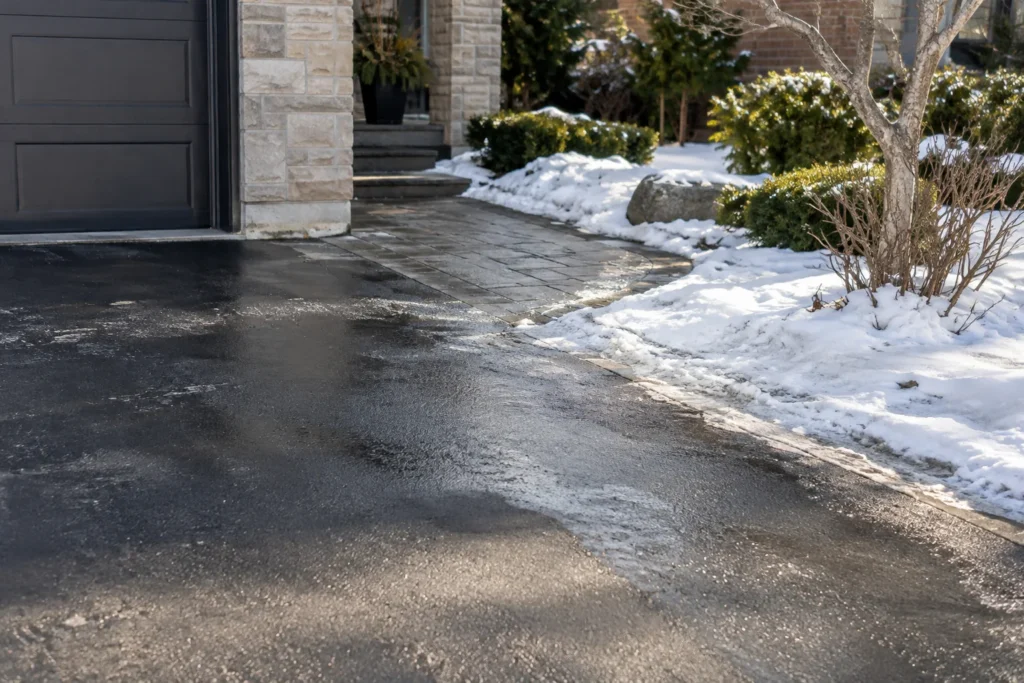
Conditions can change between visits. Wind can refill a cleared path, vehicles can compact fresh snow, and daytime melt can freeze overnight. Shaded steps, sloped driveways and drainage flowing toward an entrance deserve particular discussion. Removing loose snow is different from addressing bonded ice or repeated meltwater.
Record where these problems occurred previously. Ask which conditions activate another visit, which require a request and whether any ice-treatment option is available. If underlying drainage is causing persistent refreeze, describe that issue instead of expecting snow clearing alone to correct it.
Confirm the service arrangement before winter
Possible arrangements include seasonal, recurring or per-event/per-visit work, depending on current availability and route capacity. These are options to discuss, not a promise that every model is offered. Compare the actual included tasks, trigger and visit terms rather than relying on a package name.
A defined accumulation trigger explains when service starts and how conditions are measured. Confirm the expected service sequence, treatment of prolonged snowfall, additional accumulation and return visits. A first visit during an ongoing storm does not mean the surface will remain clear for the rest of the event.
A clear scope reduces avoidable surprises
- Mark each included private area and any excluded route.
- Confirm the service trigger and how additional visits are arranged.
- Explain parked vehicles, gates, narrow access and surface obstacles.
- Identify approved snow-storage areas and capacity limits.
- Separate snow clearing from any available ice-treatment scope.
- Agree on the contact, access changes and prolonged-storm communication.
Do not assume specific equipment, round-the-clock dispatch, guaranteed arrival times or bare-pavement results. The accepted arrangement should state what can actually be provided for the property.
Practical Mississauga winter responsibilities
Do not shovel snow onto roads. Residents and businesses must keep one metre around fire hydrants clear. Make hydrants visible when discussing storage. Keep garbage and recycling containers away from the routes being cleared, without blocking the public sidewalk or the driveway opening.
Mississauga provides municipal sidewalk clearing; it should not be described as a universal private homeowner clearing obligation. When the City declares a winter parking restriction, on-street parking is restricted to allow snow clearing. Check current Mississauga winter parking rules and avoid moving a vehicle into a restricted street location simply to open the driveway for a visit.
What affects a residential snow-removal estimate?
The estimate depends on the property and proposed arrangement. Helpful details include driveway dimensions, garage configuration, parked vehicles, walkway length, steps, entrances, narrow access and snow-storage constraints. The trigger, visit expectations, additional visits and any separately agreed ice management also affect scope.
Send the address, property type and recent photographs. Show the full driveway, entrances and available storage rather than only one snowy patch. Mention shared boundaries or private-road access. Availability and an accepted estimate must be confirmed before relying on service.
From property description to agreed winter access
- Describe the home. Provide the address, property type, photographs and routes used.
- Mark the private clearing areas. Separate driveway, garage, walkways, steps and entrances.
- Confirm access. Explain parked vehicles, shared areas, gates and obstacles.
- Agree on scope. Confirm the service model, trigger, storage, exclusions and any optional treatment.
- Communicate changes. Follow the agreed process for changed access, prolonged snowfall or additional requests.
Residential snow-removal questions
What parts of my residential property can be cleared?
Private driveways, garage access, entrance walks, steps, porch landings and side routes can be considered. The accepted agreement specifies what is included, subject to access and availability.
Does Mississauga clear residential sidewalks?
Yes. The City currently includes public sidewalks in its snow service. Private entrance walks, porch steps and paths within your property are different areas.
Does Mississauga clear driveway windrows?
Its current program opens part of eligible single, double and shared residential windrows after final road plowing. It does not clear the whole private driveway; eligibility and service conditions apply.
Do I still need private service if the City clears the windrow?
That depends on your needs. Municipal windrow service leaves the remainder of the driveway and private entrance routes outside its scope. Private clearing can address those agreed areas.
Are front steps and private walkways included?
Only when named in the accepted scope. Describe each route, the number of steps and any narrow access when requesting an estimate.
Is residential salting included?
Not automatically. Ask whether residential treatment is available. The separate Salting & Ice Management page describes commercial planning, not an automatic residential inclusion.
Can I choose seasonal or per-visit service?
Ask which arrangements are currently available for your property. Confirm the trigger, included visits, additional requests and exclusions before accepting a model.
What happens if vehicles remain in the driveway?
Reachable areas depend on clearance and the agreement. Space underneath or immediately around parked vehicles may remain uncleared. Agree on vehicle placement before visits.
Where will snow be placed?
Use approved areas within the property that protect access, neighbours, visibility, landscaping and drainage. Roadway placement is not an acceptable storage plan.
What happens during prolonged snowfall?
Additional accumulation may occur after a visit. Return work follows the accepted trigger, visit terms and communication process; it is not automatically unlimited.
Can snow removal prevent refreeze?
Clearing can reduce accumulated snow, but meltwater and freezing temperatures can create ice again. Discuss treatment where available and any underlying drainage issue separately.
When should I arrange residential snow removal?
Contact us before winter so access, storage and route availability can be reviewed. Acceptance depends on the property and available arrangement, not simply the date of inquiry.
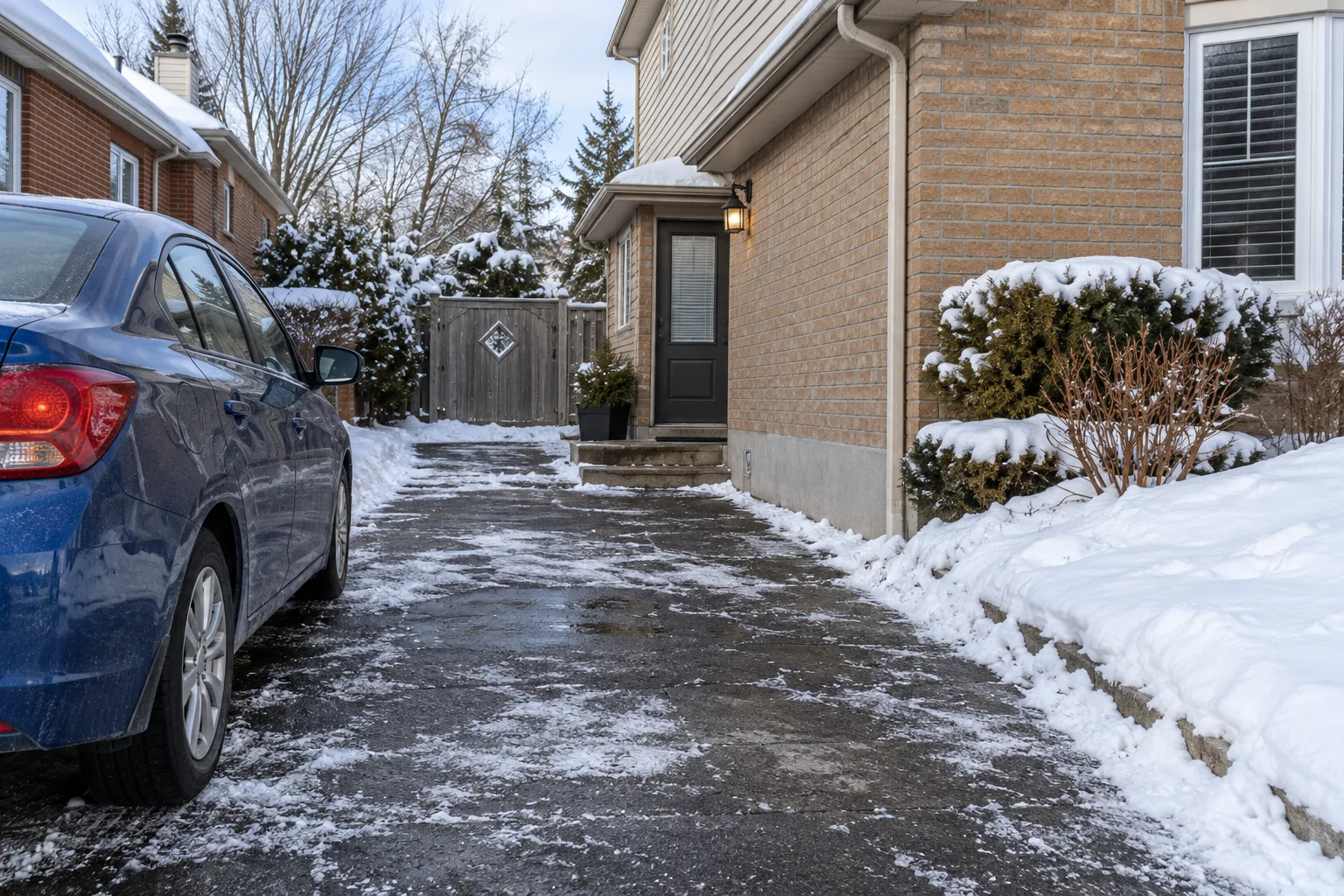
Residential Snow Removal Gallery
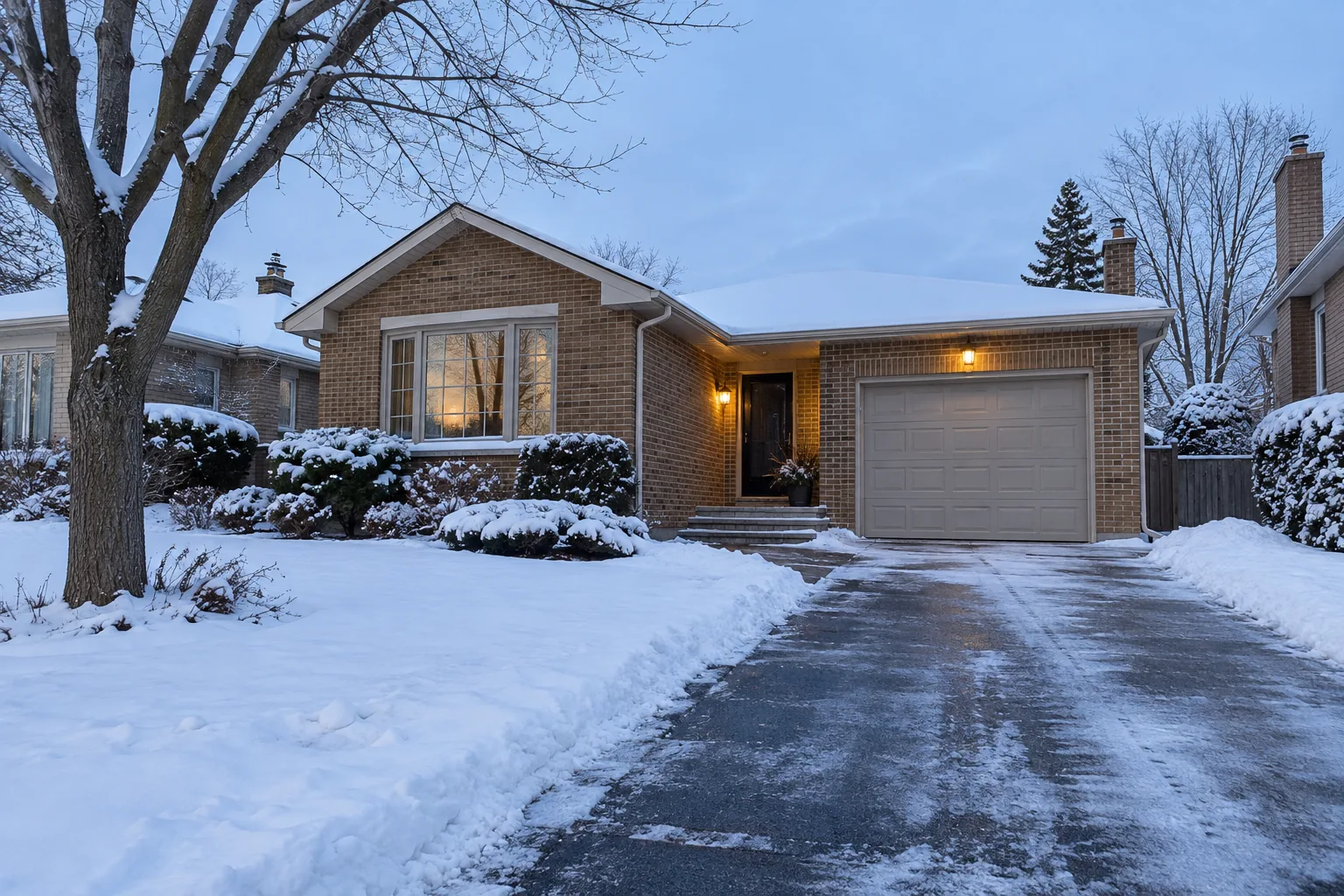
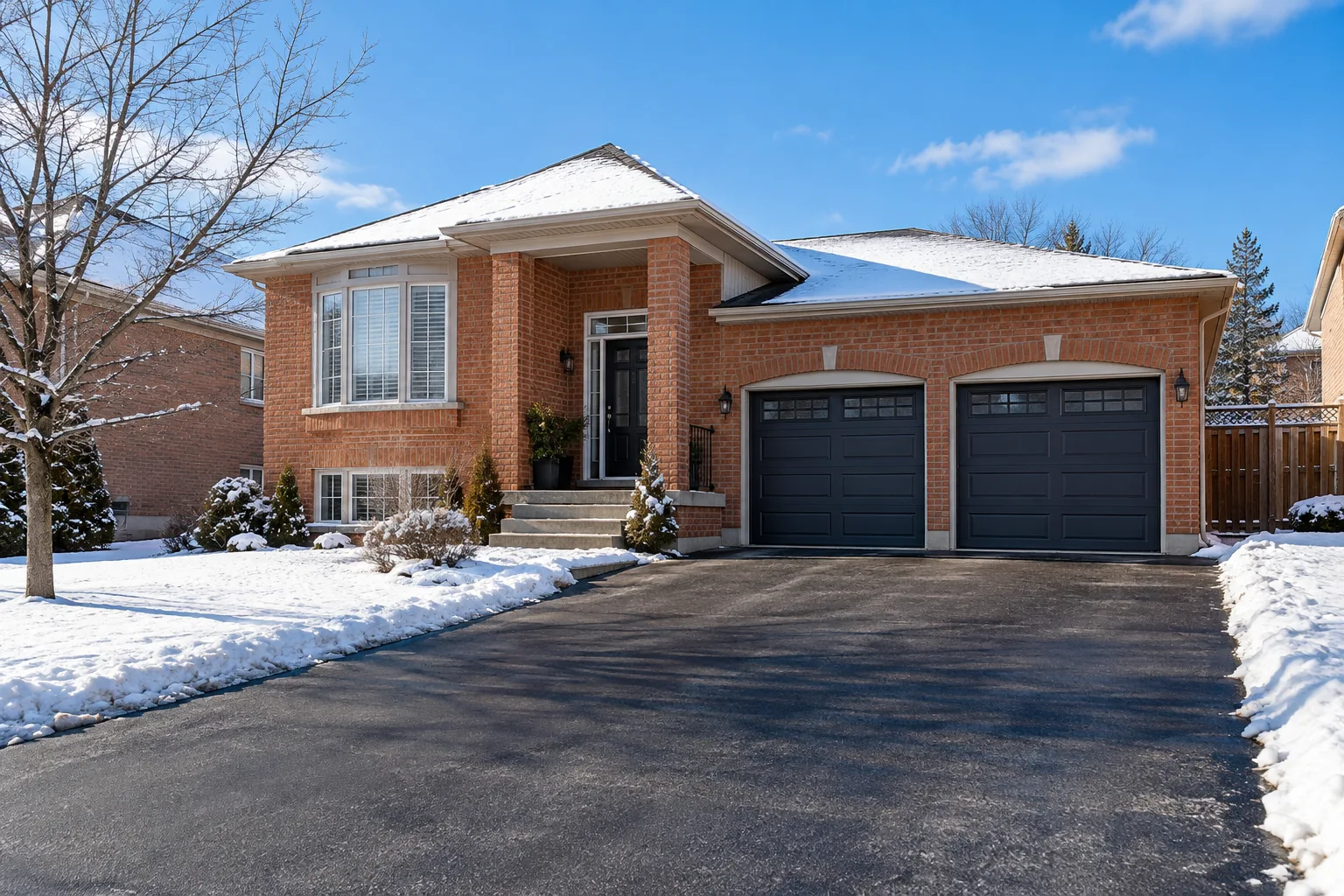
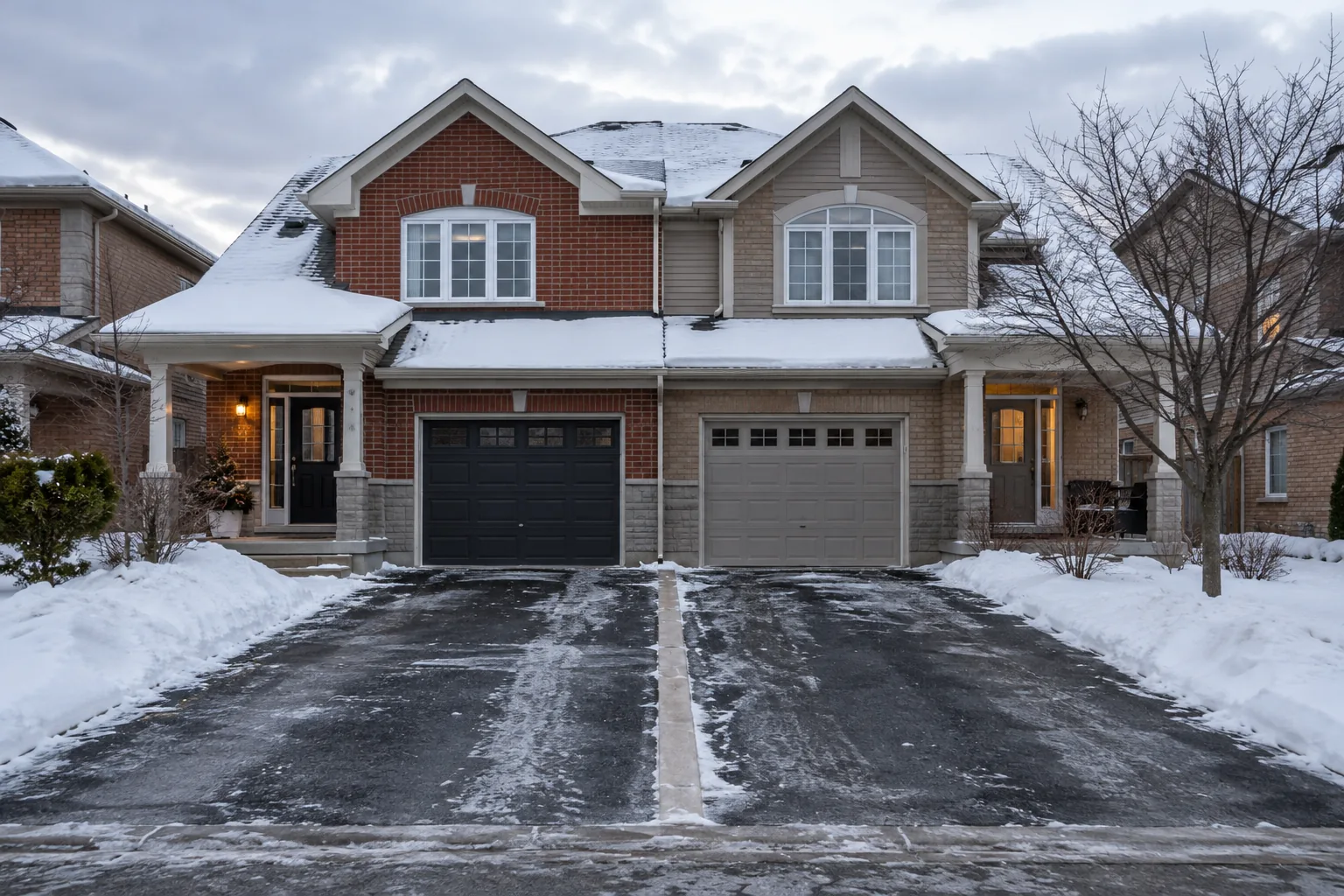
Private driveways, entrance walks, steps and snow-storage conditions found around residential properties.
Plan winter service alongside seasonal property care
Use the Snow Removal hub to compare winter service paths. For business sites or managed commercial access, review Commercial Snow Removal. Fall Property Cleanup can help identify leaves, hidden obstacles and blocked drainage before snow; Lawn Maintenance and Spring Property Cleanup cover the transition back to growing-season care.
Request an Estimate and describe the private driveway, entrances and walkways you would like included.