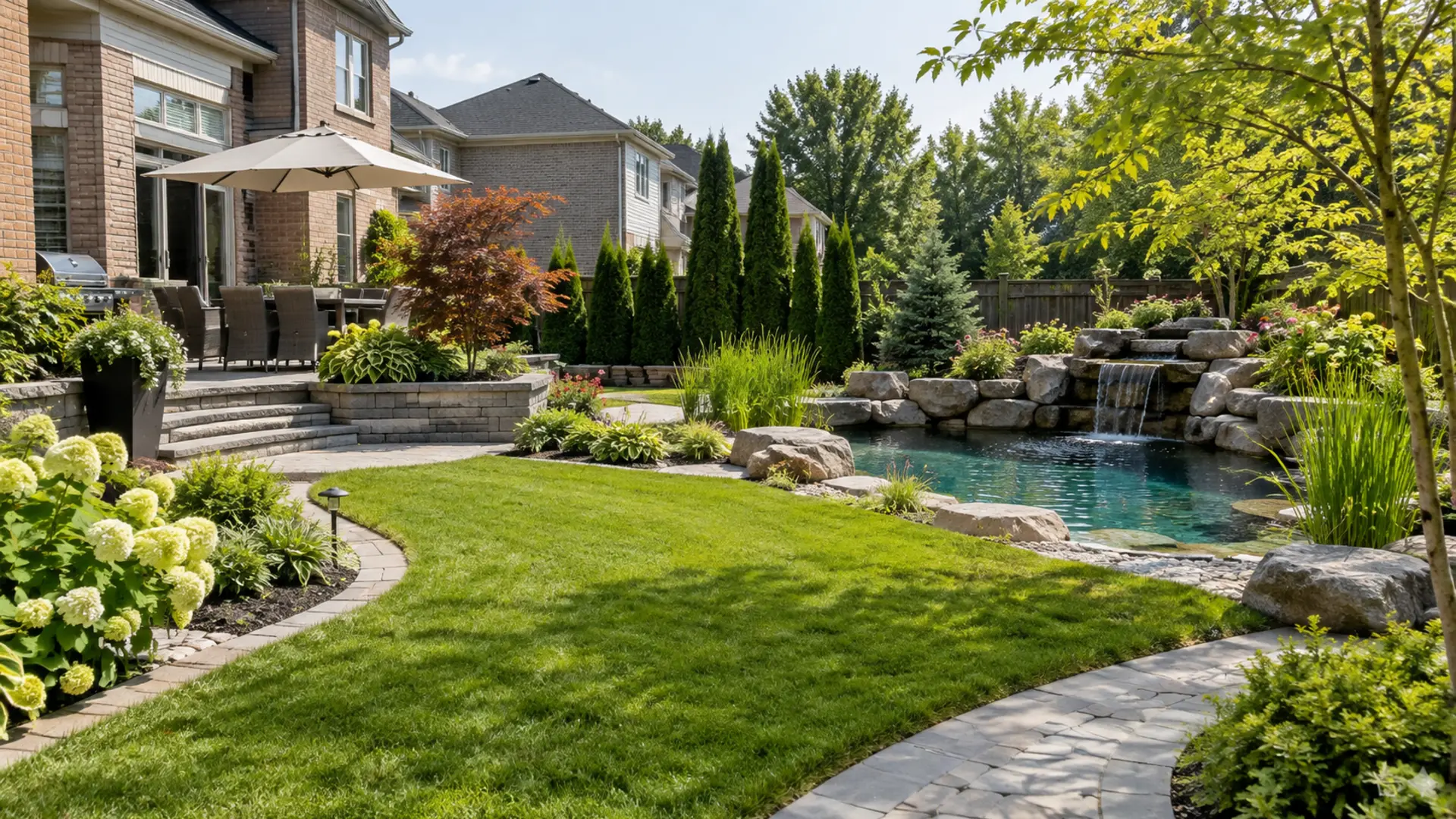
Direct answer: Improve growing areas by addressing soil, grade, water, light, plant selection and realistic maintenance requirements.
Choose the service that fits the property
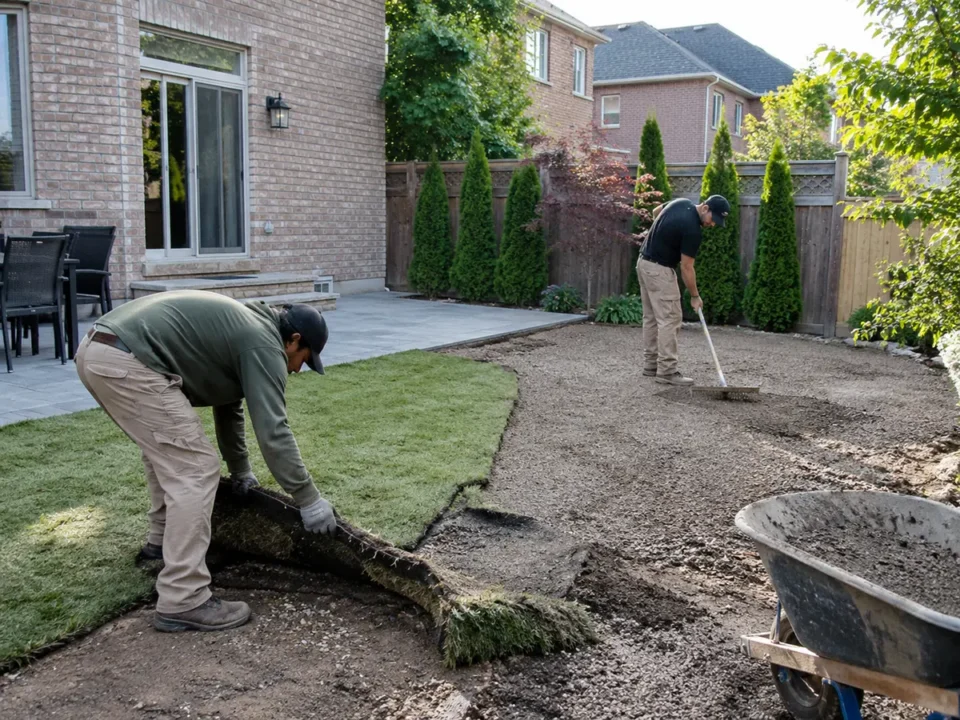
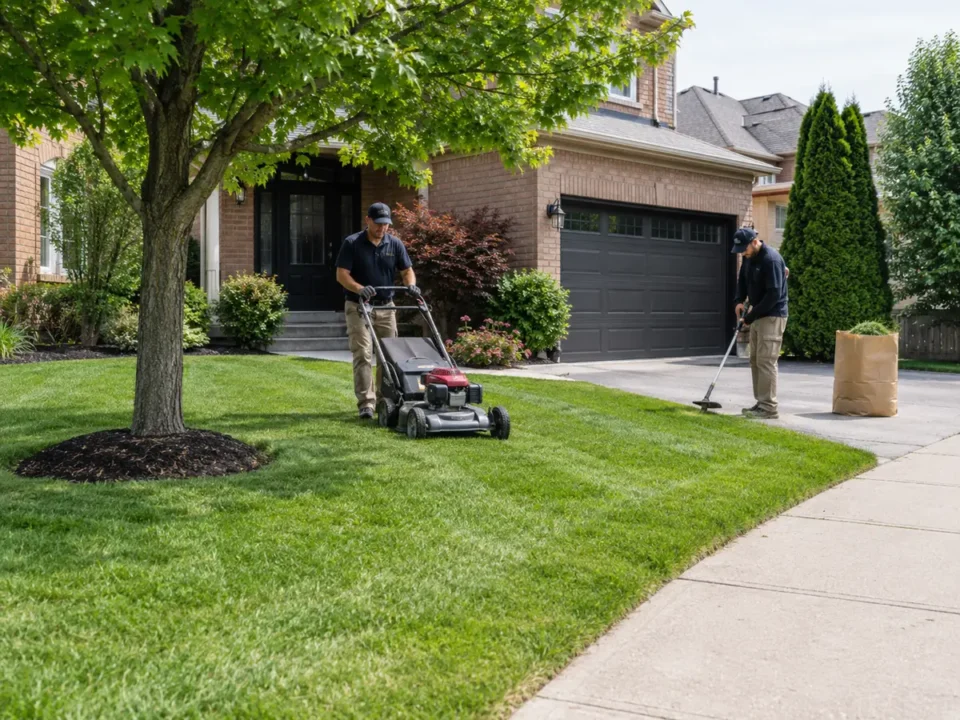
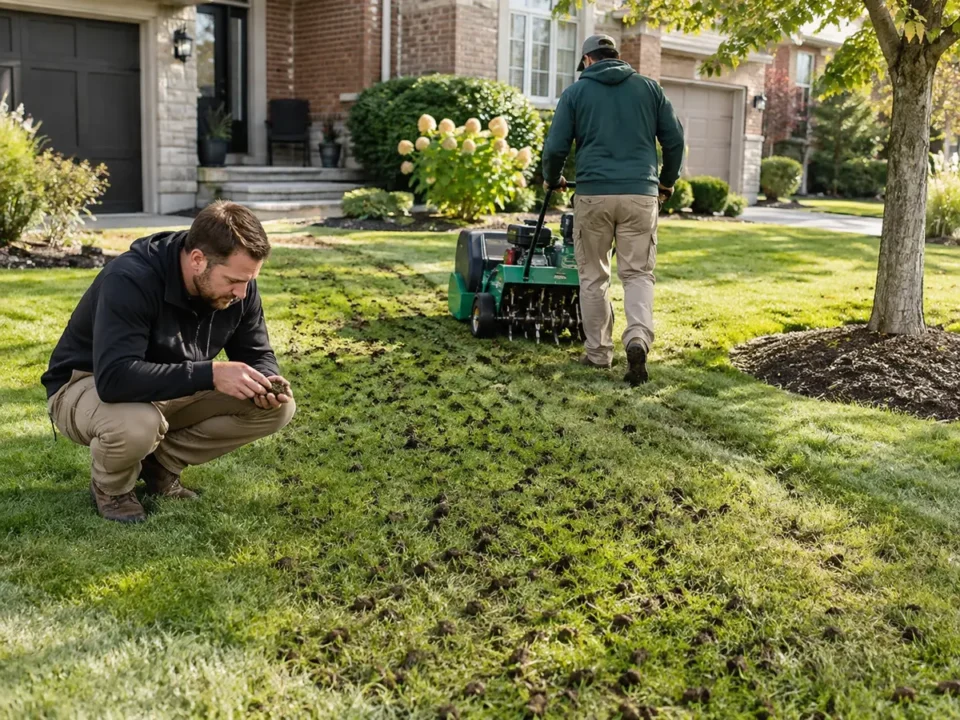
Healthy lawns and gardens depend on what is happening below and around them. Soil depth, compaction, drainage, shade, watering and traffic should be understood before the finish is replaced.
Start with the condition, not the product
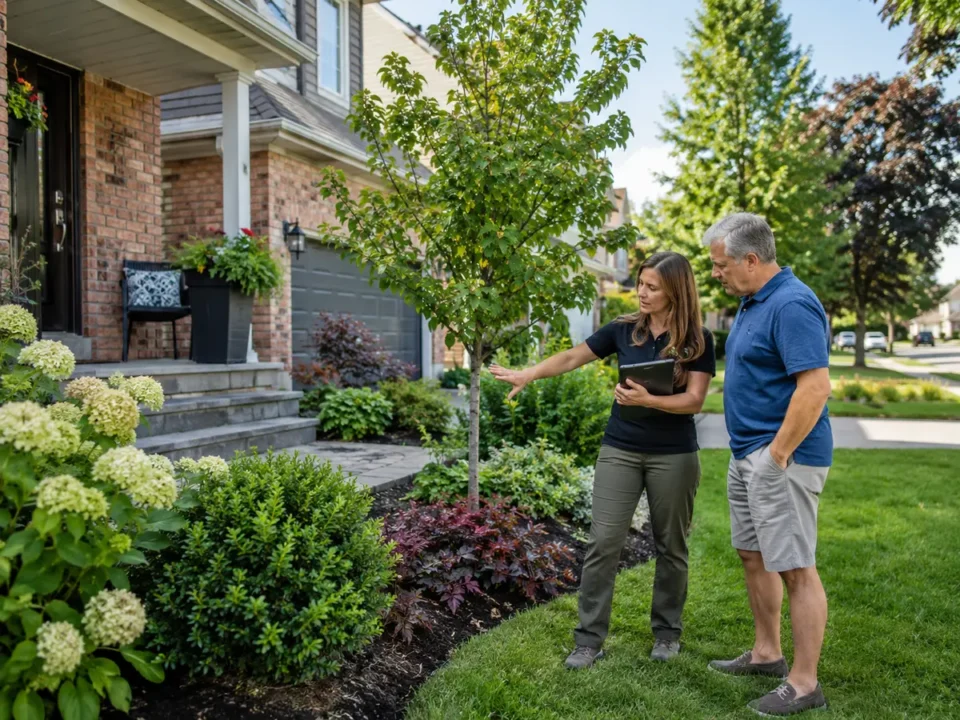
Tell us what is happening now, what you want to change and which parts of the property connect to the area. That provides better direction than selecting a product before access, water, elevations or future use have been considered.
Coordinate the sequence
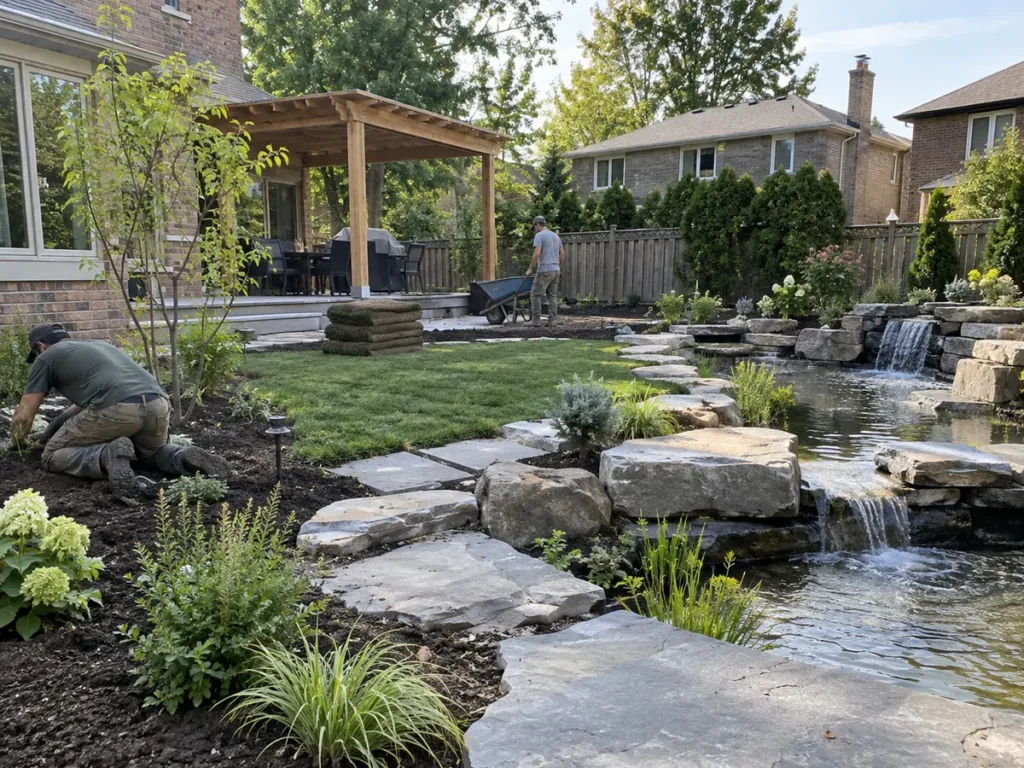
Connected landscaping is normally planned from the ground up: access and removals, utilities, grade and water, foundations or structures, hard surfaces, soil, planting and final lawn work. A different order may be required, but the sequence should be deliberate.
Common planning questions
Where should a connected project start?
Start with the condition that can affect everything after it: access, grades, drainage, utilities or structural work. Appearance decisions become safer after those constraints are understood.
Can several services be included in one request?
Yes. Describe the complete outcome and the individual areas involved so the work can be considered in a practical sequence.
Can the work be divided into phases?
Often. A phase plan should protect future access and avoid finishing surfaces that later work will need to remove.